
Visual Clutter and Cognitive Load: The Importance of an Ad-Free and Minimalist Digital Environment in Sessions
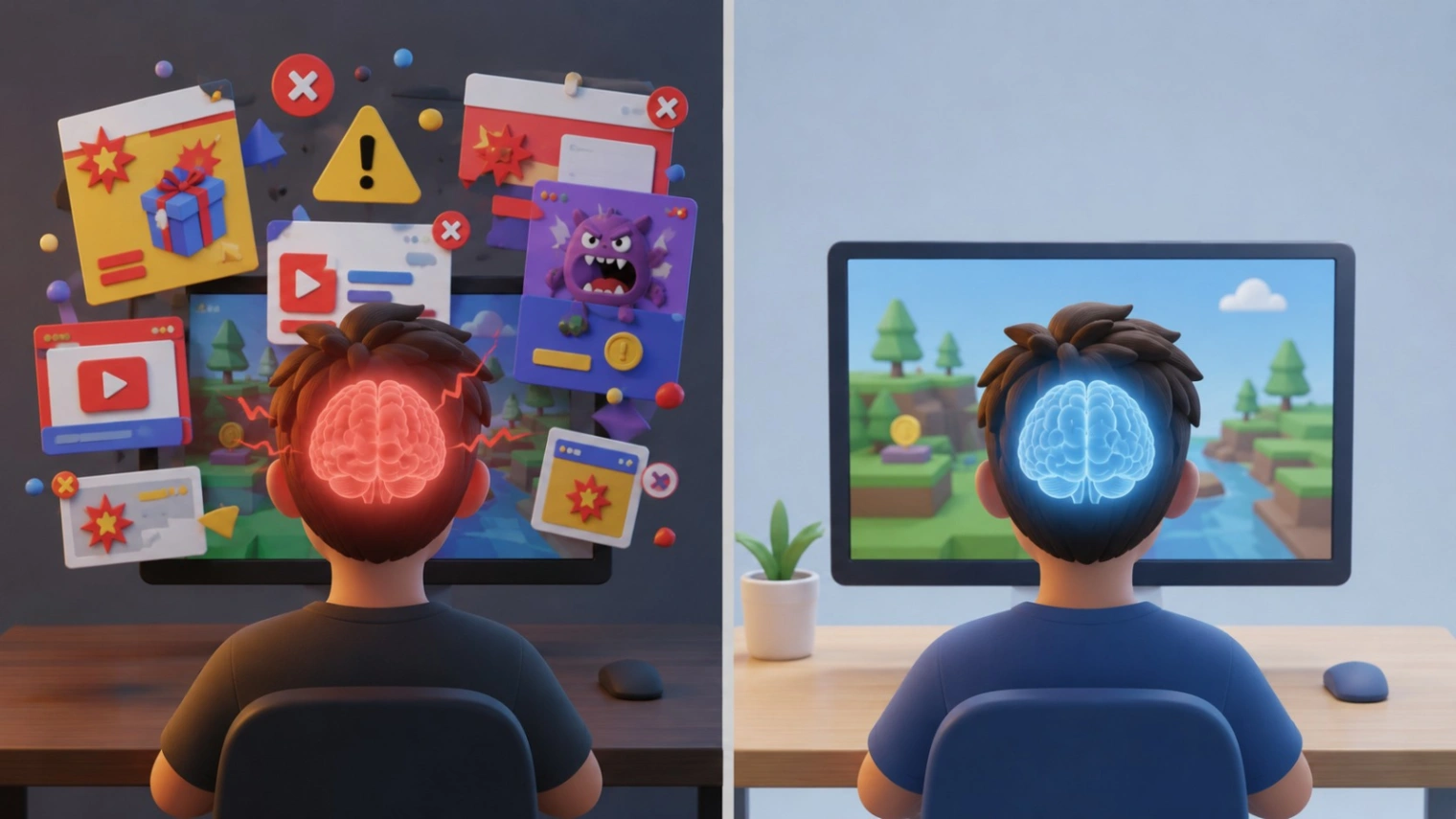
As digital tools become an integral part of sessions, the interface design of the utilized platform is frequently overlooked. The visual density and advertisements on standard web platforms can directly impact the participant's engagement in the process. What, then, is the therapeutic significance of "calmness" in an interface?
Cognitive Overload and the Division of Attention
Current research on educational psychology and digital interface design clearly demonstrates that unnecessary visual stimuli on the screen divert mental capacity away from the primary target.
The human mind, particularly working memory, has a limited capacity to process information simultaneously. Pop-ups appearing in the corner of the screen or animated advertisements must be continuously processed by the brain. This creates cognitive overload, potentially causing the participant to experience fatigue and a loss of motivation. Because on-screen clutter overshadows the participant's actual performance, it also makes it difficult for the practitioner to conduct a reliable observation.
Minimalism Not Just for Skills, But Also for the Therapeutic Bond
In sessions, we do not always focus on a structured and quantifiable goal. A portion of the content available on our platform consists of engaging interactions devoid of any performance expectations, designed specifically to strengthen the therapeutic alliance between the practitioner and the participant, and to infuse the process with joy.
However, whether the objective is a structured reasoning task or simply a connection-oriented game aimed at mutual communication, interface clutter complicates this process. A minimalist screen, free from advertisements and visually straining colors, redirects attention away from external stimuli, allowing the practitioner and the participant to focus entirely on one another and their shared moment.
The interface is a component of the therapeutic framework. The design of the tools we use is an extension of the safe space we provide to the participant.