
Moving Beyond Screen Sharing in Telepractice: Active Engagement and Clinical Observation
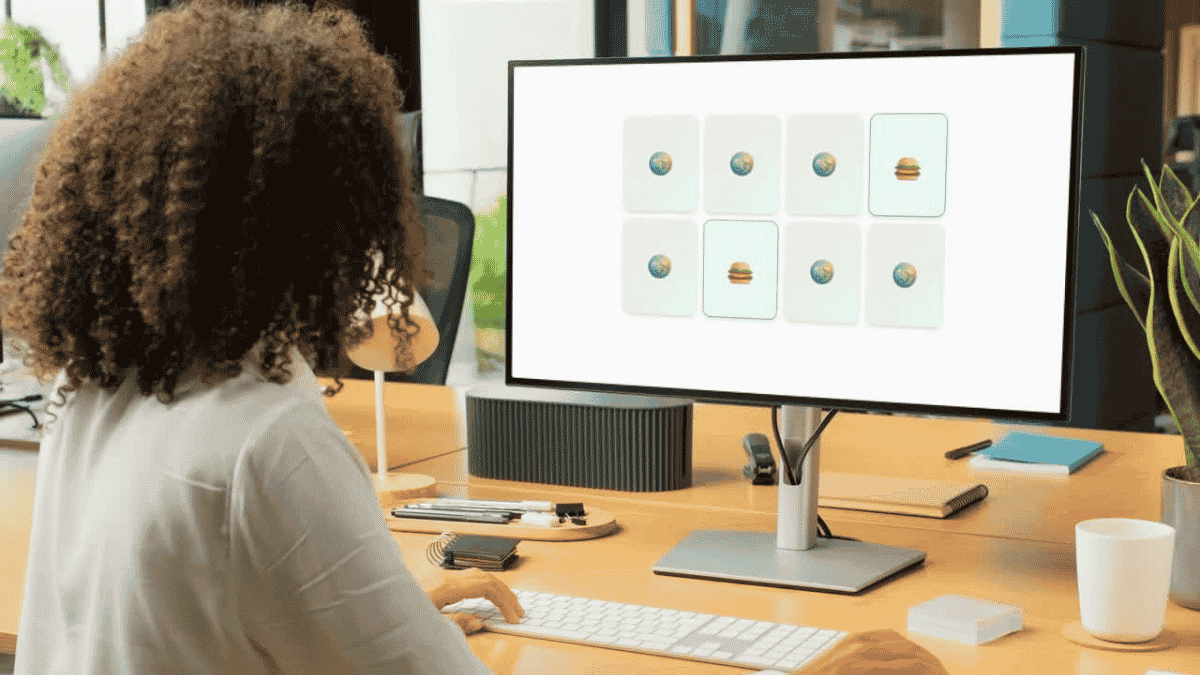
In recent years, telepractice has become a cornerstone of developmental interventions, including psychological counseling, special education, and speech-language therapy. However, establishing a sustainable and effective therapeutic alliance in a digital environment remains a significant clinical challenge. A primary driver of this difficulty is the field's historical over-reliance on screen-sharing paradigms.
While screen sharing serves a functional purpose for presenting static materials, it inherently restricts the participant’s ability to actively engage with the task. To overcome these limitations, modern practitioners are shifting toward decentralized, data-driven digital environments that facilitate direct, real-time participant interaction.
The Limitations of Screen Sharing: The Passive Observer Role
In sessions dictated solely by screen sharing, the participant often defaults to a passive observer. While the clinician navigates the material, the participant's role is restricted to waiting, watching, and merely responding to prompted questions.
For participants with fluctuating attention spans or executive functioning challenges, this dynamic can trigger rapid motivational decline. Furthermore, the inherent latency of screen sharing severely compromises the clinician’s ability to objectively measure critical behavioral markers—such as exact reaction times, impulsive responding (false alarms), and task-specific processing errors.
The Role of Active Agency in Learning and Assessment
Active engagement is the bedrock of cognitive intervention. Empirical evidence underscores that tasks requiring the participant to make autonomous decisions, exercise initiative, and process immediate performance feedback yield significantly higher retention rates. Therefore, prioritizing dynamic frameworks where the participant interacts directly with the material—rather than just passively viewing it—drastically enhances session efficacy and cognitive processing.
The Clinical Advantages of Direct, Own-Screen Interaction
Interactive digital platforms allow participants to engage synchronously via their own devices, bypassing the bottlenecks of screen sharing. This localized approach offers several fundamental advantages for the practitioner:
Enhanced Engagement: The participant transitions from a passive state to becoming the active center of the intervention.
Robust and Precise Observation: The clinician can track not just the final outcome, but the entire cognitive process—capturing reaction speeds, strategic shifts, and behavioral patterns through objective data.
Sustained Motivation: Gamified, reciprocal tasks maintain high levels of arousal and interest throughout the session.
Targeted Skill Application: Interventions can be rapidly filtered and deployed based on the participant's specific neurodevelopmental objectives.
The Future of Telepractice: Structuring for Measurability
Telepractice has evolved far beyond basic video conferencing and passive material display. Contemporary professionals now leverage tools that permit direct, own-screen interaction to construct highly structured, measurable, and sustainable clinical processes. This paradigm not only streamlines diagnostic evaluation and data collection for the clinician but also maximizes the participant's potential for learning, autonomy, and therapeutic rapport.

Flumi is an interactive online game and activity platform for psychologists, therapists, special education professionals, and educators. Play interactive games with children without screen sharing, monitor performance in real time, and generate session reports.